Sinking Foundation

A sinking foundation is one of the most serious structural problems that can quietly impact your home’s stability and safety. If you’re seeing symptoms, knowing what they mean — and what to do next — is the most important step toward protecting your home.

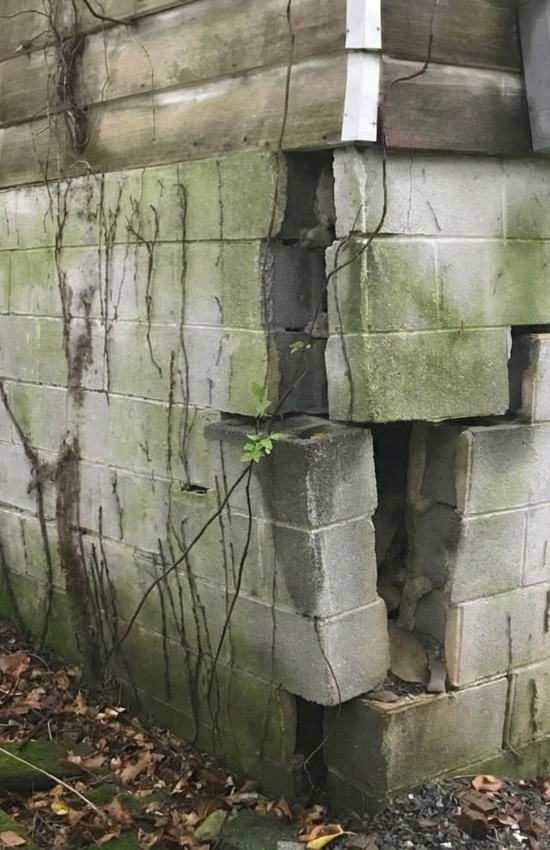
Severely bowing foundation wall with vertical cracks and structural damage needing expert sinking foundation repair in Northern VA.

Sinking Foundation Repair in Northern Virginia, Shenandoah Valley, North Central Virginia, and West Virginia

Sinking foundation problems are common in Northern Virginia, Shenandoah Valley, North Central Virginia, and West Virginia due to changing soil conditions, drainage patterns, and seasonal moisture changes. When a foundation settles unevenly, it places stress on the structure above and can lead to various foundation problems.

These issues rarely improve without professional intervention. What begins as a minor movement can continue as soil conditions change, increasing the risk of structural damage over time.

LUX Foundation Solutions provides expert sinking foundation repair using engineered pier systems that reach stable bedrock beneath unstable surface soils. Our solutions include transferable lifetime warranties and address both the settled foundation and underlying causes.

Do These Sinking Foundation Signs Seem Familiar?

The symptoms

Sinking foundations often develop gradually, making early symptoms easy to overlook. In many homes, the signs are noticeable only after the foundation has already begun to settle unevenly. 

Here are the most common signs of sinking foundation homeowners notice — and what each one may indicate.

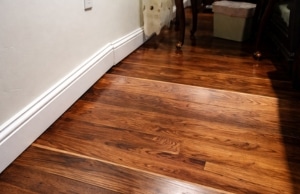
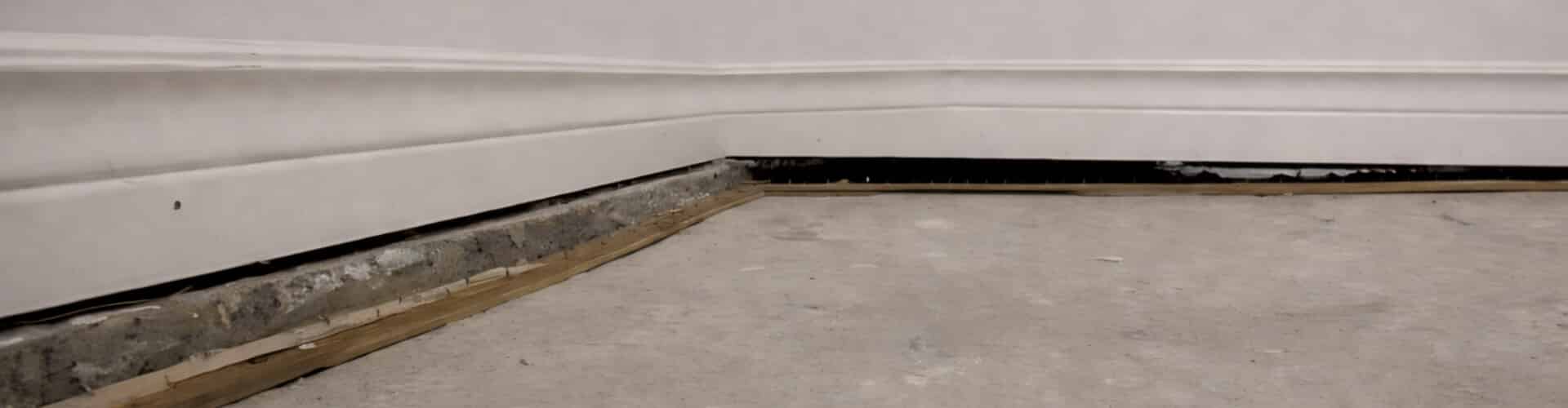
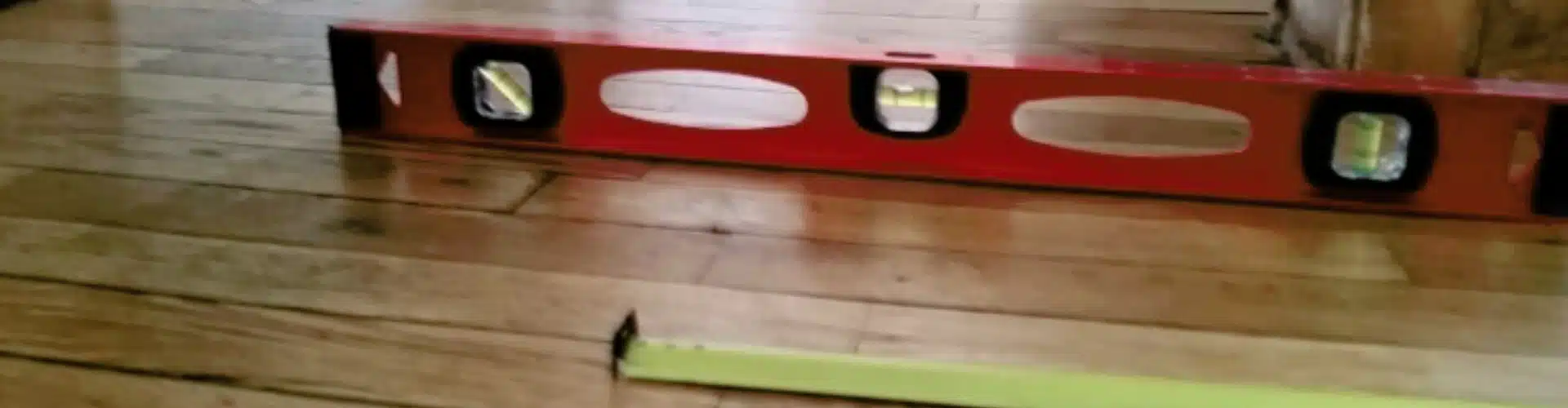
  • Uneven or sloping floors — A sign that foundation movement is already affecting the structure above.
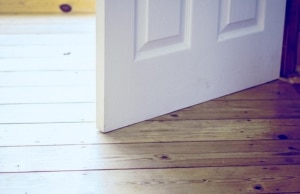
  • Doors and windows that stick or don’t close properly — Progressive sticking that worsens over time points to ongoing foundation movement — not a seasonal issue — and warrants a professional assessment.
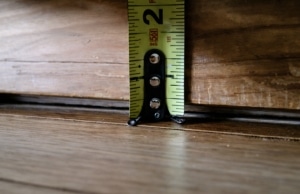
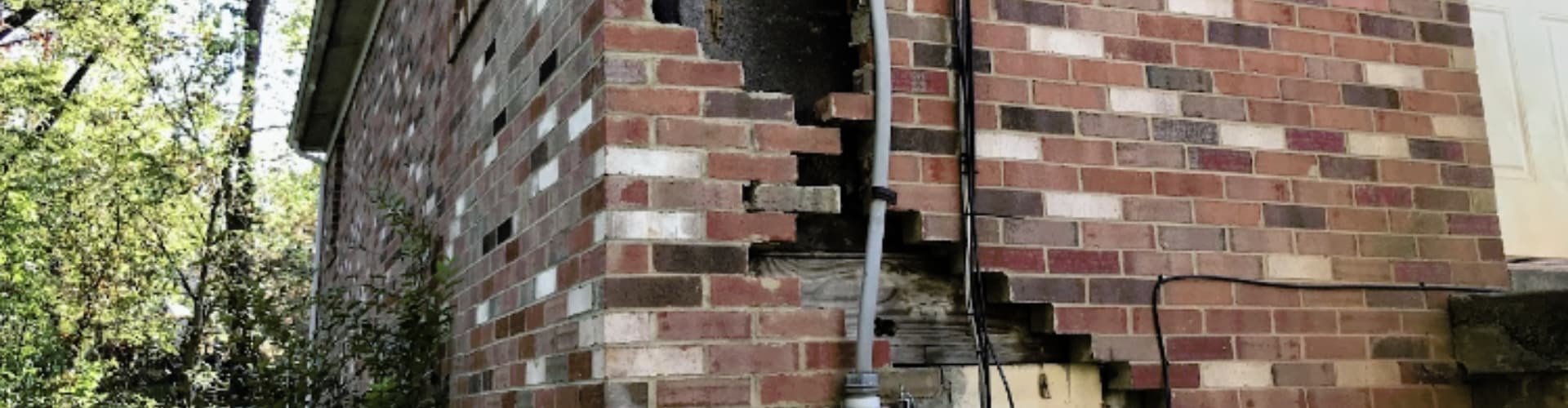
  • Gaps between walls and window frames — Widening or multiple gaps appearing together are a strong indicator that foundation movement is active and should be evaluated before the separation worsens.
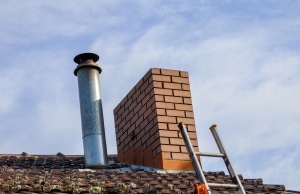
  • Leaning or tilting chimney — A chimney pulling away from or tilting away from the home can indicate foundation settlement beneath the chimney footing.
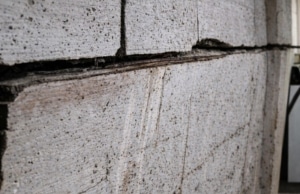
  • Cracked or bowing basement walls — Horizontal cracks or walls that bow inward suggest significant soil pressure against the foundation and should be evaluated promptly.
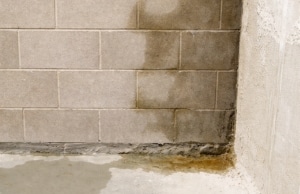
  • Water leaks in the basement — Water intrusion can both result from and contribute to foundation movement, as saturated soil increases pressure against the foundation walls.


If you’re unsure whether what you’re seeing is sinking or normal settling, our homeowner’s identification guide walks you through how to evaluate the difference.

What Causes Sinking Foundation

Every sinking foundation has a cause — and identifying the right cause is essential because different causes require different repair approaches. Here are the most common reasons foundations sink in Northern Virginia and surrounding areas.

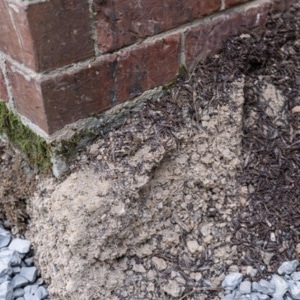
Severe soil erosion at foundation base with exposed aggregate and eroded earth causing sinking foundation in Warrenton, VA.

Soil Erosion Beneath the Foundation

Soil erosion is one of the most common causes of a sinking foundation in Northern Virginia and surrounding areas. Poor drainage, heavy rainfall, or groundwater movement can wash away the soil that supports your foundation. As the soil erodes, the foundation loses support and begins to settle unevenly.

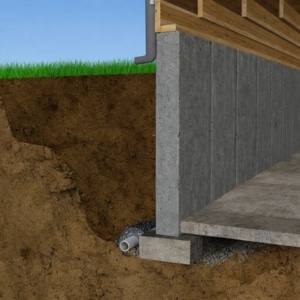
A diagram showing expansive clay soil beneath foundation footing, causing settlement and sinking foundation in Charles Town, WV.

Expansive or Unstable Soils

Clay-rich soils expand and contract with changes in moisture content, causing the foundation to shift. Expansive soil shrinks when dry and expands when wet. Without proper drainage, homes built on this soil can experience constant movement, leading to erosion and shifting, leaving empty spaces.

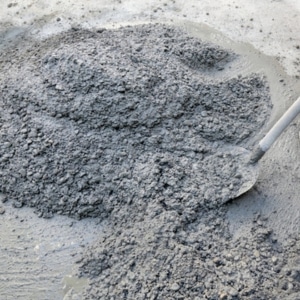
Poor quality concrete mix showing inadequate construction practices, causing sinking foundation in Flint Hill, VA.

Poor Construction

Inadequate foundation design or construction can lead to instability and sinking over time. Factors that contribute to poor construction include inadequate support, low-quality materials, and shoddy workmanship. Unfortunately, you may not notice foundation problems in the early stages, leading to extensive damage and costly repairs.

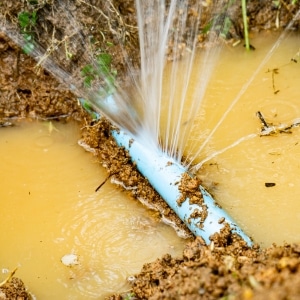
Bursting underground water pipe spraying water into soil, causing soil erosion and sinking foundation in Linden, VA.

Plumbing Leaks Near the Home

Undetected or untreated plumbing leaks near the foundation walls can saturate the surrounding soil. Over time, this can lead to soil erosion, hydrostatic pressure, or weakening of the foundation’s stability, resulting in sinking or settling.

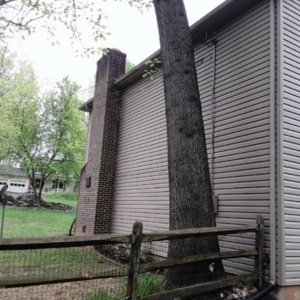
Large tree trunk growing close to the house foundation with invasive roots causing sinking foundation in Gainesville, VA.

Tree Roots

Large trees near your home can draw moisture from the soil, leading to soil shrinkage and foundation settlement. As tree roots grow toward water, they can wrap around underground pipes, causing them to shift. When this happens, the soil beneath the foundation can become unstable, causing foundation damage.

For a complete breakdown of each cause and how it affects your foundation, see our foundation causes page.

Our Sinking Foundation Repair Solutions

Not every sinking foundation requires the same repair approach. At LUX Foundation Solutions, we determine the right solution based on soil conditions, severity of settlement, and what’s happening beneath your home.

Below are common situations homeowners face and the repair methods we use to address them.

What should I do if my house's foundation sinks?

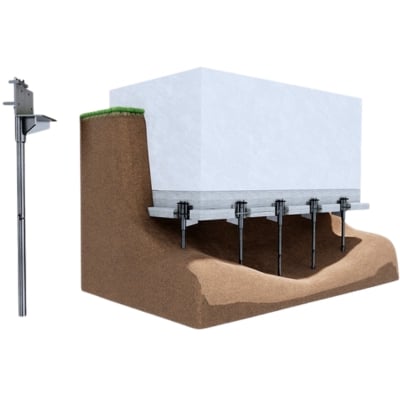
When a foundation is sinking, LUX Foundation Solutions starts with a professional evaluation to understand how much movement has occurred and what’s causing it. Based on our findings, we often recommend push piers when settlement is related to weak or compressible soil beneath the foundation.

Push piers are installed below the foundation and transfer the home’s weight to deeper, more stable soil layers. In many cases, they help stabilize the structure and prevent further sinking. Whether lifting is possible depends on site conditions and the extent of settlement identified during the evaluation.

Could foundation sinking be a sign of other underlying problems with my home's infrastructure, such as water damage or plumbing issues?

Yes. During inspections across Northern Virginia and surrounding areas, LUX frequently finds that water-related issues contribute to foundation settlement. Poor drainage, plumbing leaks, or groundwater buildup can weaken or wash away supporting soil. 

We have 2 solutions to solve the issues: 

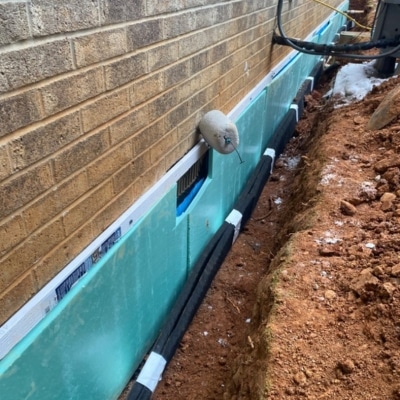
Exterior waterproofing when water is entering from outside the foundation due to poor grading, hydrostatic pressure, or saturated soil.
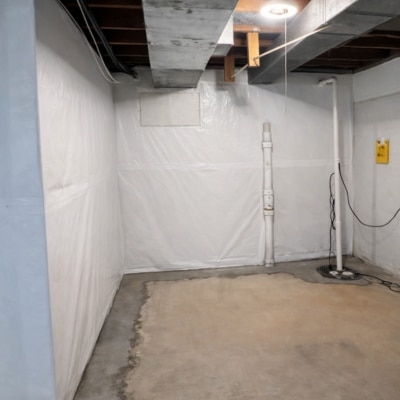
Interior waterproofing when groundwater or moisture is entering from below or through foundation walls and needs to be redirected safely away from the structure.

The right approach depends on how and where water is affecting your foundation, which is why an evaluation is critical before choosing a solution.

My house's foundation is sinking severely and has cracks in the walls. What solution is needed to prevent further damage?

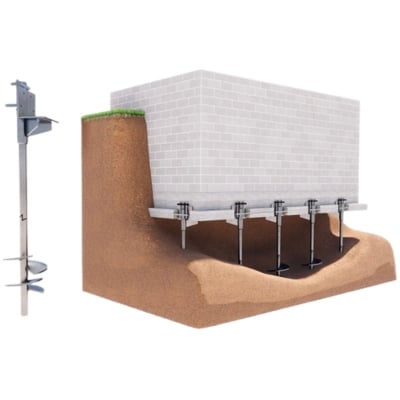
When a foundation shows significant sinking and structural cracking, we recommend helical piers based on the load requirements and soil conditions identified during the evaluation.

Helical piers are engineered steel supports that anchor into stable soil and provide strong, long-term stabilization. They are often used when deeper support is required or when soil conditions demand precise load-bearing capacity.

Get Expert Help for a Sinking Foundation

If you’re seeing signs of a sinking foundation in your Northern Virginia, Shenandoah Valley, North Central Virginia, or West Virginia home, LUX Foundation Solutions can evaluate what’s happening and recommend the right repair approach.

We use engineered pier systems that reach stable bedrock, address the underlying cause, and come backed by transferable lifetime warranties. Our team evaluates foundation movement, soil conditions, and contributing factors specific to Virginia homes.

Schedule your free evaluation — no obligation, just clear answers about your foundation.

Request a free Estimate

FAQ's

What should I do when my house shows signs of foundation sinking?

If you notice signs of foundation sinking in your home, the first step is to have a professional evaluate it. Local soil conditions, drainage patterns, and construction methods all play a role. 

A foundation specialist at LUX can assess whether the issue is active settlement, soil movement, or another structural factor, and recommend the appropriate stabilization approach before the damage worsens.

How do I know if my foundation symptoms are serious enough to call a professional?

If symptoms are appearing together, worsening over time, or affecting daily living — such as doors that won’t close or visibly sloping floors — a professional evaluation is recommended. LUX evaluations are free and no-obligation, so there’s no risk in getting a clear answer about what’s happening.

Can I repair a sinking foundation by myself?

Sinking foundation repair is not a DIY project. Stabilizing a foundation requires engineered systems, precise load calculations, and specialized equipment. Attempting repairs without professional assessment can worsen structural damage and increase long-term repair costs.

Is foundation sinking normal?

Some minor settling is normal over time, especially in older homes. However, ongoing or uneven sinking is not normal. When a foundation sinks faster than expected or continues to shift, it can compromise structural integrity. Homes built on expansive or moisture-sensitive soils, common in parts of Virginia, are especially vulnerable and should be evaluated early.

If you’re unsure whether what you’re seeing is normal settling or something more serious, our homeowner’s guide walks through how to evaluate the difference.

How much foundation sinking is acceptable?

There’s no universal “safe” amount of foundation sinking. Even small vertical movement can cause structural stress depending on where it occurs. In many cases, even a small amount of uneven settlement can justify further evaluation. 

A foundation specialist can assess whether the movement is stable or requires correction.

Will homeowners' insurance cover a sinking foundation?

In most cases, homeowners’ insurance does not cover foundation sinking caused by soil movement, settlement, or long-term moisture issues. Coverage may apply only in specific situations, such as sudden plumbing failures. 

Reviewing your policy and getting a professional foundation assessment can help clarify your options.

Related Signs

Thank you! Your form has been successfully submitted. You may receive service-related text messages from Lux Foundation Solutions, including appointment updates, reminders, and one-time verification codes if needed. Message frequency may vary. Msg & data rates may apply. Reply HELP for help. Reply STOP to opt out.

Examples of messages you may receive:

Lux Foundation Solutions: Your appointment has been scheduled. You will receive service-related updates as needed.

Lux Foundation Solutions: Reminder — your scheduled service is approaching. Reply STOP to opt out.

Lux Foundation Solutions: Your verification code is 739214. This code expires in 10 minutes.