Peeling or Bubbling Paint on Basement Walls
Peeling or bubbling paint on basement walls is not a cosmetic problem. It is one of the clearest signs that water is getting into your home. Left unaddressed, the moisture behind it leads to mold growth, structural damage, and worsening water intrusion over time.
Why is Paint Peeling or Bubbling on My Basement Walls?
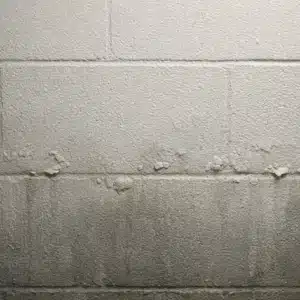
Peeling or bubbling paint on basement walls happens when moisture seeping through basement walls breaks the bond between the paint and the surface. It is not a paint failure; it is a clear indicator of water problems behind paint on basement walls working their way to the surface.
The damage visible on the wall is almost always smaller than what is happening behind it. Moisture works slowly, feeding mold growth behind finished surfaces and putting ongoing stress on basement walls long before the problem becomes obvious.
In Northern Virginia’s clay-rich soil, seasonal groundwater pressure makes basement walls especially vulnerable to this kind of hidden moisture buildup. LUX Foundation Solutions has inspected thousands of basements across the region and consistently finds this among the earliest indicators of water intrusion that needs to be addressed.
Signs that Peeling or Bubbling Paint on Basement Walls is a Moisture Problem
Peeling or bubbling paint is an indicator of water intrusion that has been building behind the basement wall surface long before it becomes visible. Here is what to look for:
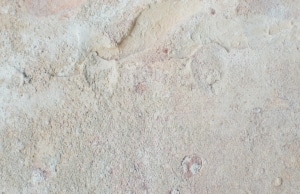
- White chalky residue on the wall appears before paint starts peeling and is one of the earliest signs that moisture is actively seeping through basement walls.
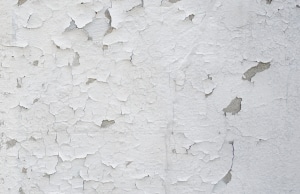
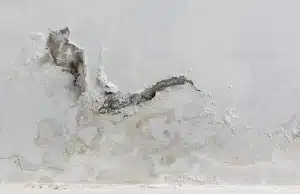
- Paint flaking off the wall in patches or sheets occurs when moisture weakens the adhesive bond beneath the surface. Larger patches mean the problem has been building longer.
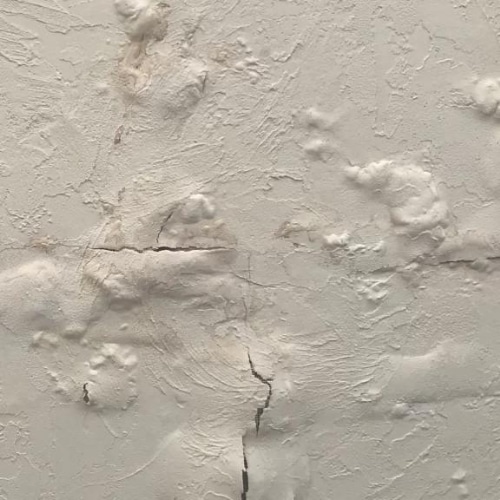
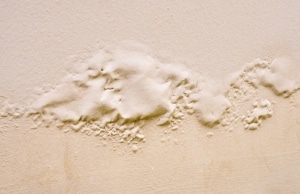
- Paint blistering and air bubbles on basement wall surfaces form when water vapor pushes against the paint layer from behind, confirming active water intrusion rather than old paint failure.
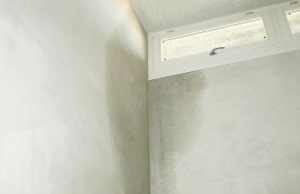
- Mold or dark staining behind peeling paint means mold has already established itself, a sign moisture has been present long enough to support growth behind finished surfaces.
- Musty odors even when walls feel dry indicate moisture is feeding mold growth behind basement wall surfaces out of sight, even without any visible water present.
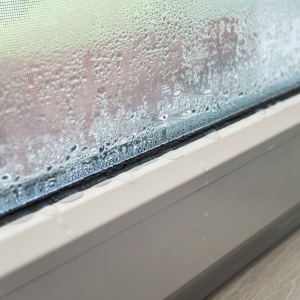
- Discoloration or damp spots on basement walls along the base of walls or around window frames point to water seeping in from outside the foundation.
If you are seeing one or more of these signs, the moisture behind them has likely been building longer than the visible damage suggests. Knowing what is causing it is what determines the right fix.

White Chalky Residue (Efflorescence)

Paint Flaking Off Wall in Patches or Sheet

Paint blistering and air bubbles on Basement Wall Surfaces

Mold or Dark Staining Behind Peeling Paint

Musty Odors Even When Walls Feel Dry

Discoloration or Damp Spots on Basement Walls
What Causes Peeling or Bubbling Paint on Basement Walls?
Most homeowners assume peeling or bubbling paint on basement walls is a painting problem. It rarely is. In almost every case, the paint is failing because of what is happening behind the wall, not on it. Several factors contribute to this, and in most basements more than one is working at the same time.
Moisture and Humidity Buildup
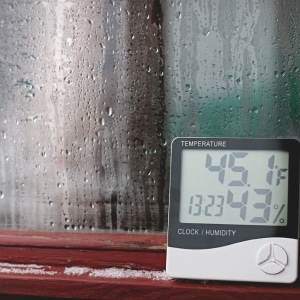
High humidity in basements can cause condensation on cooler wall surfaces, weakening the bond between the paint and the wall over time. When warm, humid air meets a cold basement wall, moisture gradually settles behind the paint.
In Northern Virginia’s humid summers, basement condensation and humidity regularly spike high enough to cause paint to bubble on basement walls, even when no visible water is present.
Water Behind Paint on Basement Walls
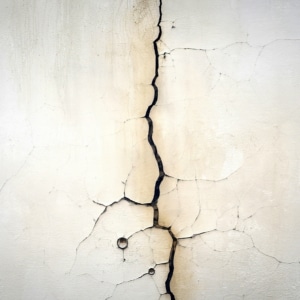
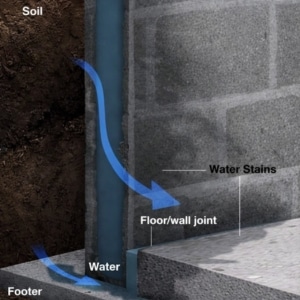
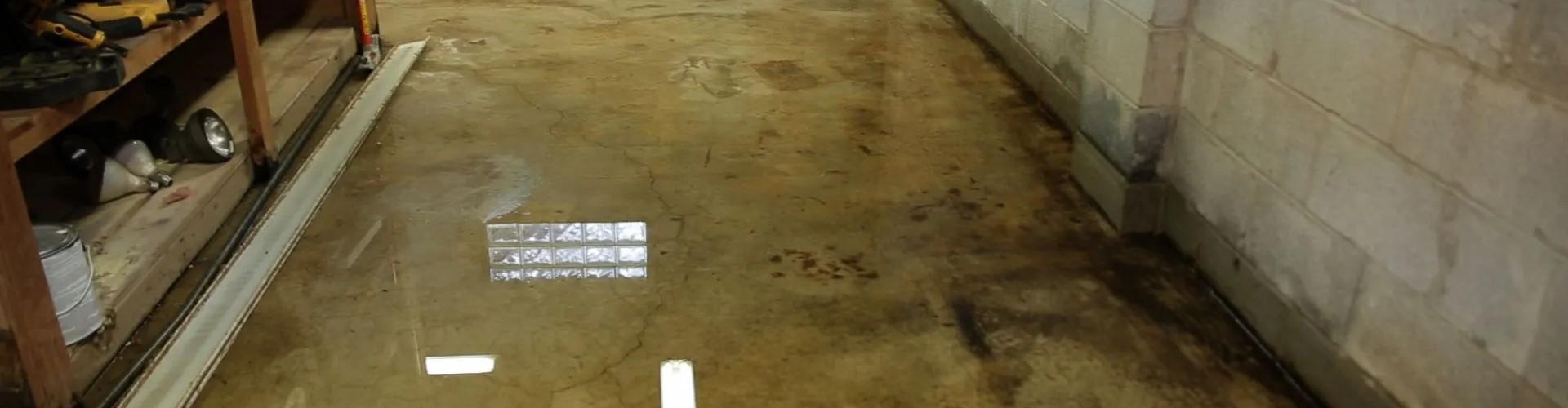
Water seeping through basement wall cracks or porous concrete accumulates behind finished surfaces with nowhere to go. Water damage causes paint bubbles on walls when moisture has no visible exit point; it pushes outward through the path of least resistance, which is usually the paint layer. Even a slow, undetected seep from excessive rainfall or poor drainage can cause paint to peel from walls over time.
Vapor Pressure Pushing Through Concrete and Masonry
Concrete and masonry walls are porous, and moisture seeping through basement walls can cause damage without an active leak. It moves as vapor, pushing against whatever is on the other side of the wall. When latex paint or standard basement paint blocks that vapor from escaping, pressure builds behind it until the paint bubbles or peels away from the wall, often with no visible crack or water source nearby.
Hydrostatic Pressure
In Northern Virginia’s clay-heavy soil, groundwater flow builds pressure against foundation walls after heavy rain. That pressure forces moisture seeping through basement walls even through minor cracks and pores in the concrete. The surrounding soil holds water long after rain stops, keeping that pressure consistent against the foundation.
Over time, this consistent water seepage is one of the most common drivers of peeling or paint bubbles on walls from moisture in below-grade spaces across the region.
Inadequate Ventilation
Without proper ventilation, basement humidity levels rise and stay elevated. Stagnant, humid air settles against cooler wall surfaces, creating condensation that can work behind paint over time. Poor ventilation alone can cause paint to peel from walls, even in basements with no active water intrusion, making it one of the most overlooked causes of paint bubbling on basement walls.
Our Proven Solutions to Fix Peeling or Bubbling Paint on Basement Walls
Peeling or bubbling paint on basement walls is not fixed by repainting. The moisture source driving the damage must be addressed first, or the problem will return. Here are the solutions LUX Foundation Solutions recommends based on the actual cause of the moisture in your basement.
Interior Basement Waterproofing
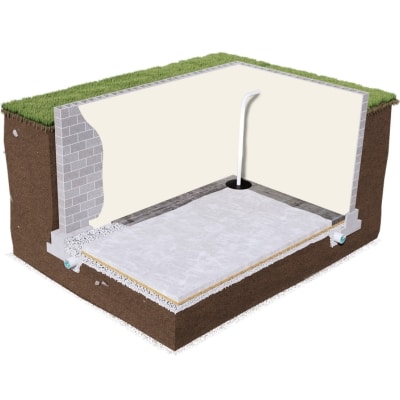
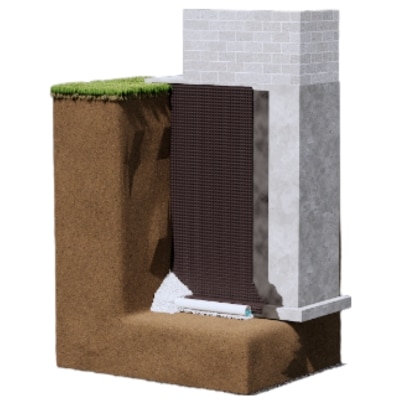
If you are seeing water behind paint on basement walls, the source is almost always water entering the wall system through the foundation. Our interior basement waterproofing system manages that water before it ever reaches the wall surface, collecting it through a drainage system along the basement perimeter and directing it safely out of the home.
This solution is recommended when peeling or paint bubbling on the wall, or when water damage appears consistently after heavy rain, or when hydrostatic pressure is identified as the primary driver in your Northern Virginia home.
Exterior Basement Waterproofing
When moisture seeping through basement walls originates from saturated soil pressing against the outside of your foundation, addressing it from the exterior is the most direct fix available. Our exterior basement waterproofing solution stops water at the source before it ever enters the wall system.
In Northern Virginia’s clay-heavy soil, groundwater pressure builds quickly after seasonal rainfall and pushes moisture through even minor cracks in the foundation. This solution works best for homes where paint bubbling on basement wall surfaces consistently appears along exterior walls after wet seasons or prolonged periods of heavy rain.
Basement Mold Removal
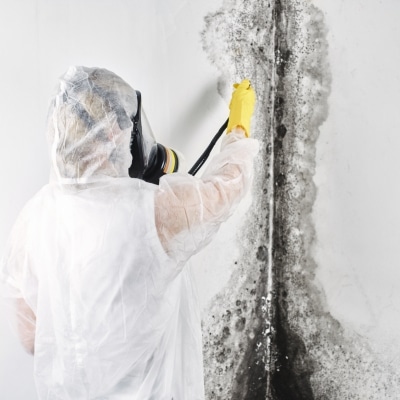
When peeling paint on your basement walls reveals mold behind the surface, waterproofing alone is not enough to fix the problem. Active mold growth has to be removed before any other repair work begins. Painting or sealing over it traps the problem behind the wall rather than solving it, and mold will return once moisture finds its way back in.
Our basement mold removal process identifies affected areas, removes damaged materials, and treats surfaces using EPA-approved BAC Botanical Antimicrobial Cleaner to prevent regrowth. The basement is then prepared for the waterproofing solution, which permanently addresses the moisture source. This is recommended whenever mold behind paint on basement walls is confirmed during inspection.
Basement Dehumidifier Installation
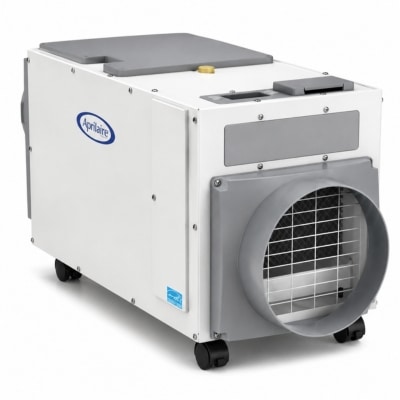
When high basement humidity levels are the primary driver of paint peeling off walls rather than active water intrusion, a basement dehumidifier installation targets the cause directly. We size and install a commercial-grade dehumidifier tailored to your basement’s square footage and moisture load. This is to maintain humidity consistently below 55 percent to stop basement paint from peeling further by breaking the condensation cycle that weakens the bond between paint and your basement wall surfaces over time.
This repair is usually recommended when peeling or bubbling paint is limited to interior walls instead of the base of exterior foundation walls. In humid summers, installing a basement dehumidifier is often recommended alongside interior waterproofing to keep moisture levels stable and protect finished basement surfaces year-round.
Get a Free Assessment for Peeling or Bubbling Paint on Your Basement Walls
Basement wall paint peeling or bubbling does not fix itself, and repainting over it only delays a problem that will return worse than before. The moisture driving the damage is still there, working behind the surface whether or not it is visible. The longer it goes unaddressed, the more it costs to fix.
LUX Foundation Solutions offers free on-site assessments for homeowners across Northern Virginia, Shenandoah Valley, North Central Virginia, and West Virginia. We’ll inspect your basement, determine where the moisture is coming from, and recommend repairs based on what we find.
Call us at 540-508-8982 or fill out our online form to request a free basement assessment and estimate.
Request a free Estimate
Peeling Paint or Bubbling Drywall FAQs
Yes. Peeling or bubbling paint on basement walls is almost always a sign that moisture is actively working behind the wall surface. It is not a cosmetic issue that can be resolved by repainting. If the moisture source is not identified and addressed, the damage can continue to spread, increasing the risk of mold, damaged building materials, and repeated water intrusion.
Peeling or bubbling paint is an indicator of moisture trapped behind the wall surface. In many cases, the moisture comes from water leaking through foundation walls, high basement humidity, vapor pressure moving through porous concrete, or hydrostatic pressure from saturated soil outside the foundation.
Looking at where the paint is peeling can help determine what’s causing the damage.
Yes. Water damage causes paint bubbles on walls from moisture that has accumulated behind the surface with nowhere to escape. When water seeps through foundation cracks or porous concrete, it collects behind the paint layer and pushes outward as pressure builds.
The bubbles that form are filled with moisture, and pressing on them often releases water or leaves a damp spot on the wall surface behind them.
A surface repair can be done temporarily, but DIY fixes rarely solve the underlying issue. Bubbling or peeling paint on basement walls is caused by moisture behind the surface, and repainting over it without addressing the moisture source will only make the problem return, often worse than before.
A professional assessment identifies what is actually driving the moisture so the right solution is applied rather than a cosmetic fix that masks the warning sign.
Not always, but it can. When moisture sits behind a basement wall long enough, it creates the conditions for mold to grow. Dark staining, discoloration, or a musty odor behind peeling paint are strong indicators that mold has already established itself.
A professional inspection can confirm whether mold behind paint on basement walls is present and whether remediation is needed before any other repair work begins.
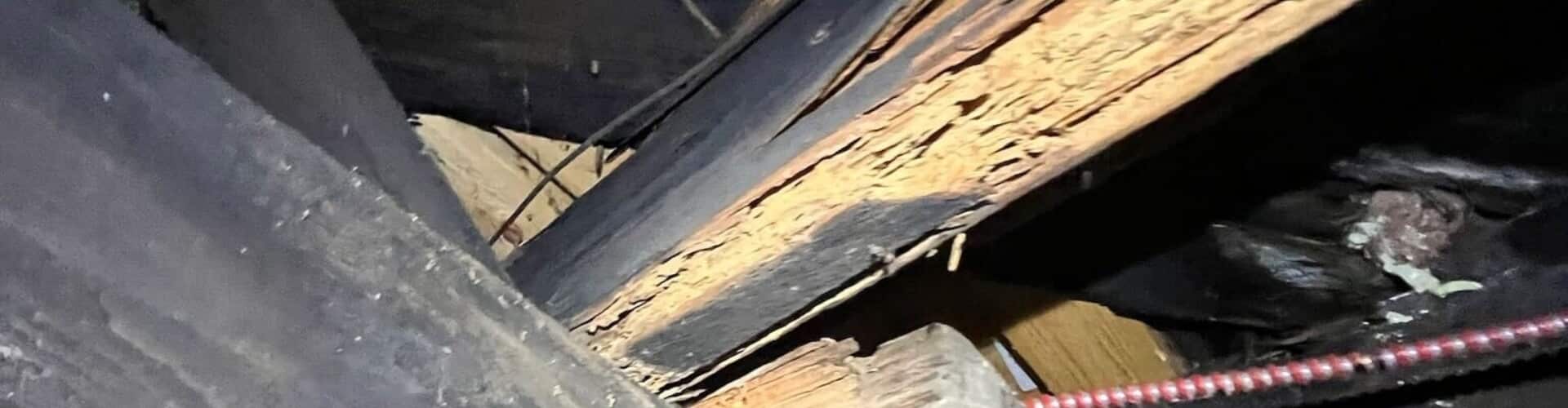
Moisture-damaged walls make it easier for mold to grow. As air moves upward through the home because of the stack effect, mold spores can spread and affect indoor air quality. Mold exposure can trigger respiratory issues, allergies, and asthma symptoms, particularly for people with existing sensitivities.
The longer peeling or bubbling paint on basement walls goes unaddressed, the greater the risk that mold spreads to surrounding materials and into the air circulating through the living spaces above.