Cold Floors Above Crawl Space

Is the floor or room above your crawl space colder than the rest of the house? That difference is one of the clearest signs the crawl space below is the real source, not your furnace.

A girl wearing indoor slippers to prevent the cold floor, a sign that needs solution to reduce cold floor in Northern Virginia.

Why is the Floor Over the Crawl Space Cold?

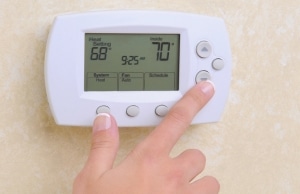
Your thermostat says 70 degrees, but your feet go cold the moment you walk across the room. Cold floors above crawl space are one of the clearest signs that the real problem is happening below you, not behind the thermostat. 

Warm air inside your home does not stay still. As it escapes through the upper floors, your house pulls in replacement air, or more air, from the lowest point available, your crawl space. Builders call this the stack effect, and in most homes, 40 to 50 percent of first-floor air originates below it. That air carries the crawl space temperature with it, working its way up through gaps around plumbing lines and the rim joist.

Northern Virginia has expansive clay-heavy soil, and sharp humidity swings make crawl spaces especially prone to this exchange, leaving floors cold no matter how high you set the thermostat.

Signs that Floors Above Crawl Space are Cold

If you are unsure whether your cold floors are a sign of crawl space problems, here is a list of common symptoms to look out for: 

  • Energy bills that climb every winter without a clear cause, since your heating system works harder to compensate for warmth lost through the floor.
  • Musty odors drifting up from the crawl space, a sign of trapped moisture that often travels through the same gaps, letting cold air rise.
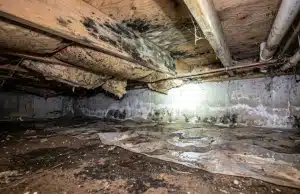
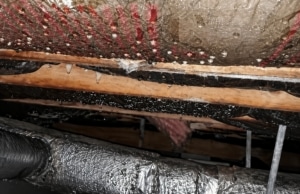
  • Visible moisture, mold, or mildew on crawl space framing, confirming the space below your floor is staying damp instead of dry.
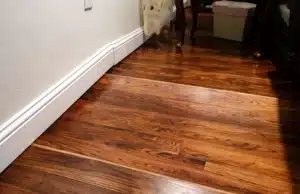
  • Warped, cupped, or buckling floorboards, often a result of wood flooring repeatedly absorbing moisture rising from a damp crawl space below. 
  • Difficulty keeping rooms above the crawl space comfortable, even with the heat running, since lost warmth gets replaced by air rising from below.
  • Visible condensation on pipes or crawl space framing, a sign the space below your floor is cold and humid enough for moisture to form on contact. 

If you’re experiencing more than one of these signs, the cause is likely already identifiable, and LUX Foundation Solutions can confirm exactly what it is during a free crawl space assessment.

What Causes Cold Floors Above Crawl Space?

Cold floors above crawl space are usually caused by poor insulation or air leaks, which can lead to moisture buildup and mold growth. Here are some common causes of crawl space problems that result in cold floors:

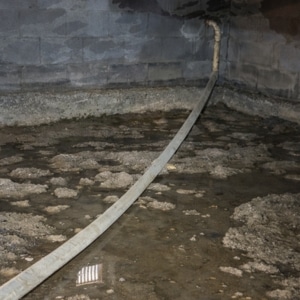
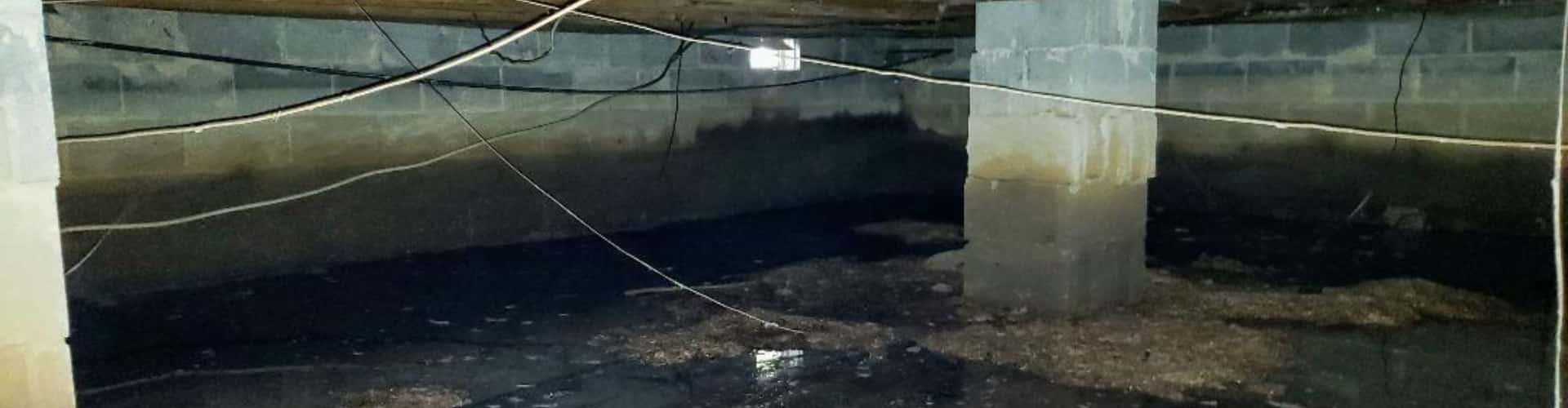
Standing groundwater inside dirt space, a moisture source causing cold floors above crawl space in Linden, VA.

Excessive Moisture

Groundwater seepage or plumbing leaks can significantly raise humidity in the crawl space. As that damp air rises through the stack effect, it carries cold, moist air upward, reducing your insulation’s ability to retain heat. 

In Northern Virginia, clay-heavy soil holds water longer after rain, which keeps crawl spaces damp for longer and can make the floors above feel colder.


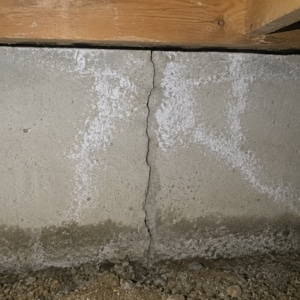
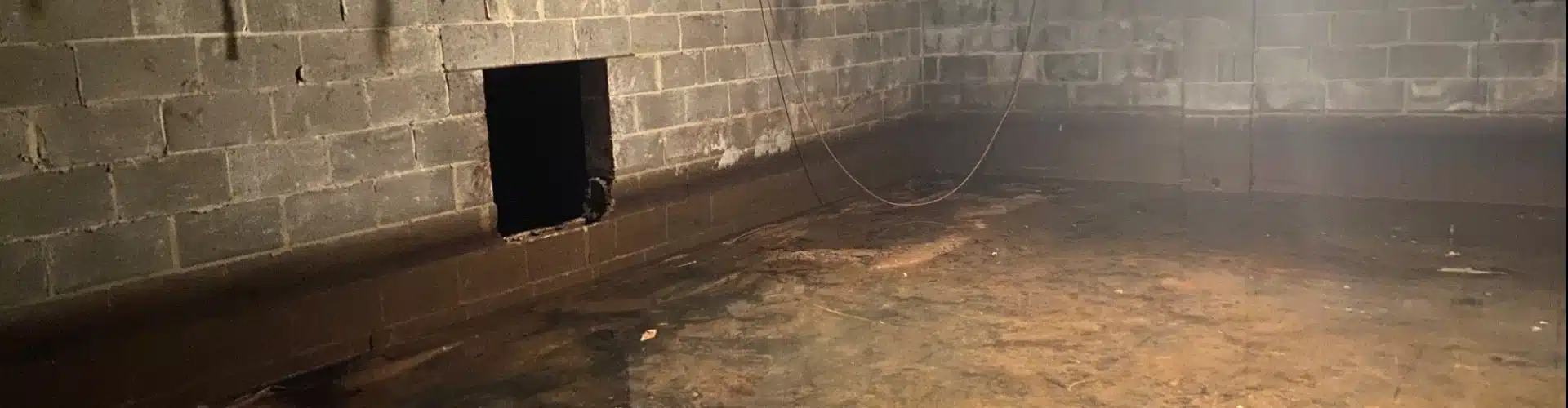
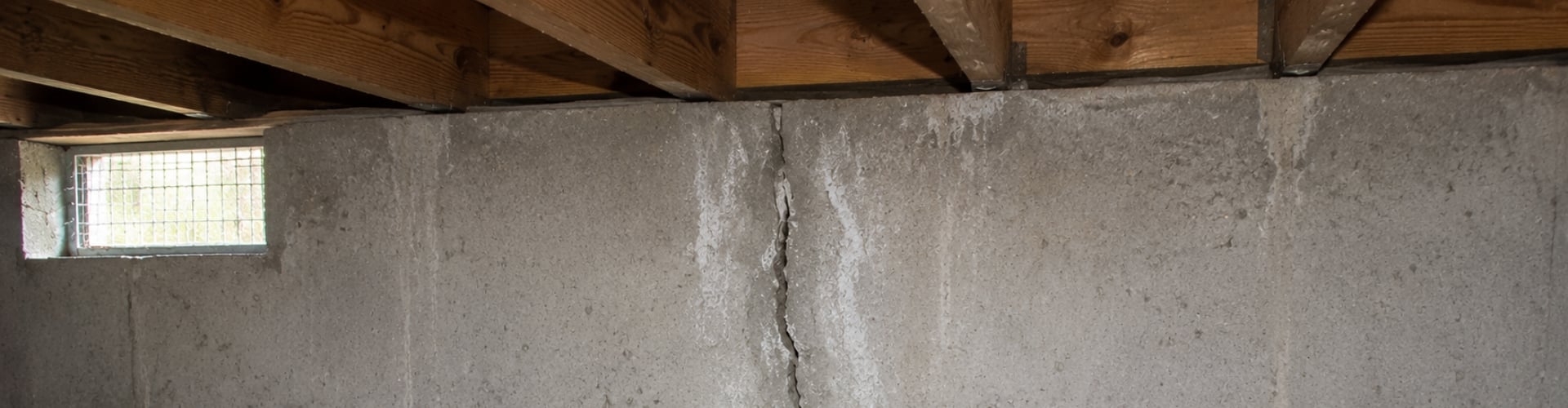
Foundation crack letting cold air into crawl space beneath causing cold floors above crawl space in Flint Hill, VA.

Foundation Cracks

Cracks in your crawl space foundation let cold outside air and moisture directly into the dirt floor, bypassing whatever insulation or barriers are already in place. These cracks often form as soil shifts seasonally or as aging foundations settle unevenly. Left unaddressed, they create a steady entry point for cold air that no amount of heating can fully compensate for above.


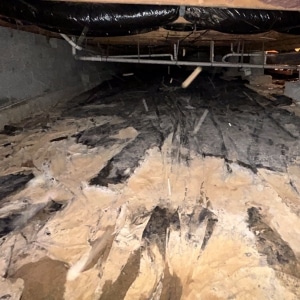
Torn and bunched vapor barrier exposing bare dirt around the edges of floor causing cold floors above crawl space in Bristow, VA.

Damaged or Poorly Installed Vapor Barriers 

A vapor barrier blocks ground moisture from rising into the crawl space air above it. When the barrier is torn, gapped, or never installed, ground moisture evaporates freely upward from the dirt floor instead. 

In Northern Virginia, where clay-heavy soil holds significant groundwater after rain, a failed vapor barrier becomes a constant moisture source, feeding the cold, damp air that travels up into your floor through the stack effect.

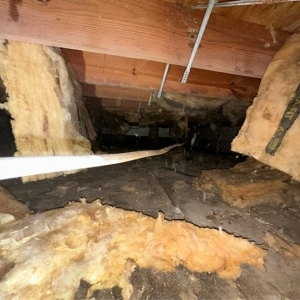
Sagging, damaged insulation between crawl space floor joists, causing cold floors above crawl space in Berkeley, WV.

Missing or Damaged Insulation 

Insulation between floor joists is your main defense against crawl space cold, but it deteriorates over time through compression, moisture damage, or pest activity. Once insulation sags or falls away in sections, cold air can move more easily into the rooms above your crawl space. 

This is one of the most common causes behind the striped cold pattern many homeowners notice across their floors.

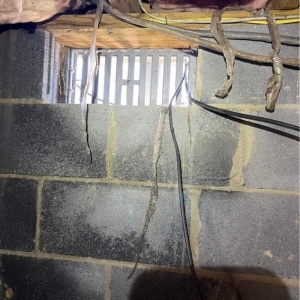
Open crawl space vent letting cold winter air causing cold floors above crawl space in Warrenton, VA.

Open Crawl Space Vents 

Many older homes throughout Northern Virginia and the Shenandoah Valley were built with crawl space vents left open year-round to manage moisture, a standard practice decades ago. 

During the winter, those open vents allow cold outdoor air into the crawl space, making the area beneath your home much colder and reducing the effectiveness of the insulation and heating above it.

Identifying which of these causes the cold floor above crawl space is affecting your home is the first step toward a lasting fix. LUX Foundation Solutions can pinpoint the exact cause during a free crawl space assessment.

Our Proven Solutions to Fix Cold Floors Above Crawl Space

Once we identify which cause is driving your cold floors, we recommend the best solution that addresses it directly, not a one-size-fits-all fix.

Crawl Space Insulation 

When missing or damaged insulation is letting cold air reach your floor, we insulate the area using polyiso rigid foam insulation boards designed specifically for crawl space conditions, rated to handle the humidity and temperature swings common in Northern Virginia. Unlike standard fiberglass insulation batts that sag and lose effectiveness over time, the materials we use are built to stay in place and resist moisture damage. In some situations, spray foam insulation may also be appropriate for sealing hard-to-reach areas. 

Properly installed insulation restores the thermal barrier between your crawl space and your conditioned space, closing the gap that lets cold air strip heat from your floor above the crawl space. This is often the first step we take when insulation has visibly deteriorated or fallen away in sections.

Crawl Space Encapsulation 

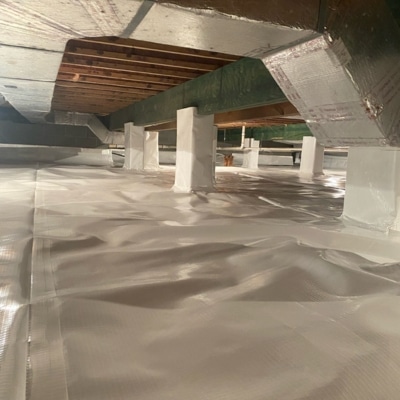
For crawl spaces affected by excessive moisture, foundation cracks, or a failed vapor barrier, we encapsulate the entire space with a heavy-duty liner across the crawlspace floor and walls. This single solution addresses multiple causes at once, blocking ground moisture, sealing out the humid air driving the stack effect, and replacing any vapor barrier that was damaged or improperly installed in the first place. Encapsulation creates a controlled, dry environment beneath your home, removing the moisture and cold air feeding your comfort and energy problems. For many Northern Virginia homes, this is the most complete, long-term fix available.

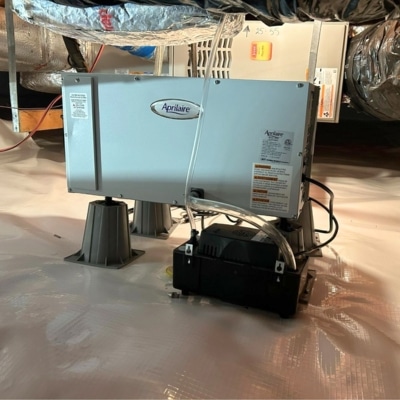
Crawl Space Dehumidifier 

Even after encapsulation, some crawl spaces benefit from active humidity control, especially in regions like Northern Virginia where seasonal moisture swings are significant throughout the year. We install a properly sized crawl space dehumidifier to keep humidity under control. This helps reduce the risk of mold and musty odors while making the floors above feel less cold.

A dehumidifier works alongside encapsulation and insulation rather than replacing them, giving your crawl space ongoing protection against moisture problems that can return after the initial repair is complete and the system is in place.

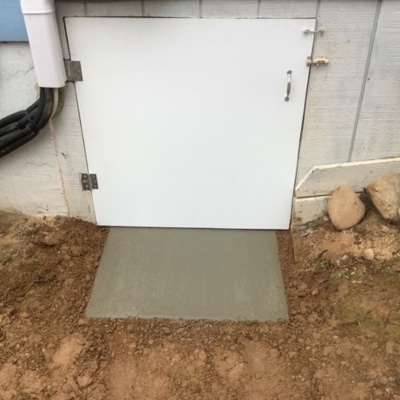
Crawl Space Vent and Door Closure 

When open crawl space vents let outside air flow freely beneath your home, we seal and close them as part of a comprehensive moisture-control strategy tailored to your crawl space. This stops cold winter air from turning your crawl space into an extension of the outdoors, while still allowing controlled air management through your encapsulation or dehumidification system. 

We also ensure crawl space access doors create a tight air seal, since a poorly fitted door can undo the benefit of every other repair by letting drafts and outside air back in.

Warm Your Cold Floors—Schedule a Free Crawl Space Repair Estimate Today!

Cold floors above crawl spaces rarely fix themselves, and the longer the underlying cause goes unaddressed, the more it costs in energy bills and the greater the potential for structural damage. LUX Foundation Solutions inspects crawl spaces across Northern Virginia, Shenandoah Valley, North Central Virginia, and West Virginia, identifying exactly what is pulling cold air and moisture into your home.

Contact our team today at 540-508-8587 or fill out our online form to schedule a free, on-site inspection. We offer crawl space encapsulation and repair services tailored to the specific cause of your cold floors.

Request a free Estimate

Cold Floors Above Crawl Space FAQs

Is it normal for floors to be cold above a crawl space?

Some coolness is common, but floors that feel consistently cold, not just slightly cooler, are not normal and usually signal a crawl space problem. Comfortable floors should stay close to the temperature of the room above them. A persistent, noticeable gap between your thermostat setting and how your floor feels points to insulation failure, air leaks, or uncontrolled crawl space temperature working against your home.

Can cold floors above the crawl space be a sign of a bigger problem?

Yes, cold floors are often the first visible symptom of a larger crawl space issue, not the problem itself. The cold you feel is usually caused by moisture, poor insulation, or air leaks. Over time, those same problems can also contribute to mold growth, wood rot, and higher energy bills. Treating cold floors as an early warning sign rather than waiting for more significant damage to appear is the more cost-effective approach.
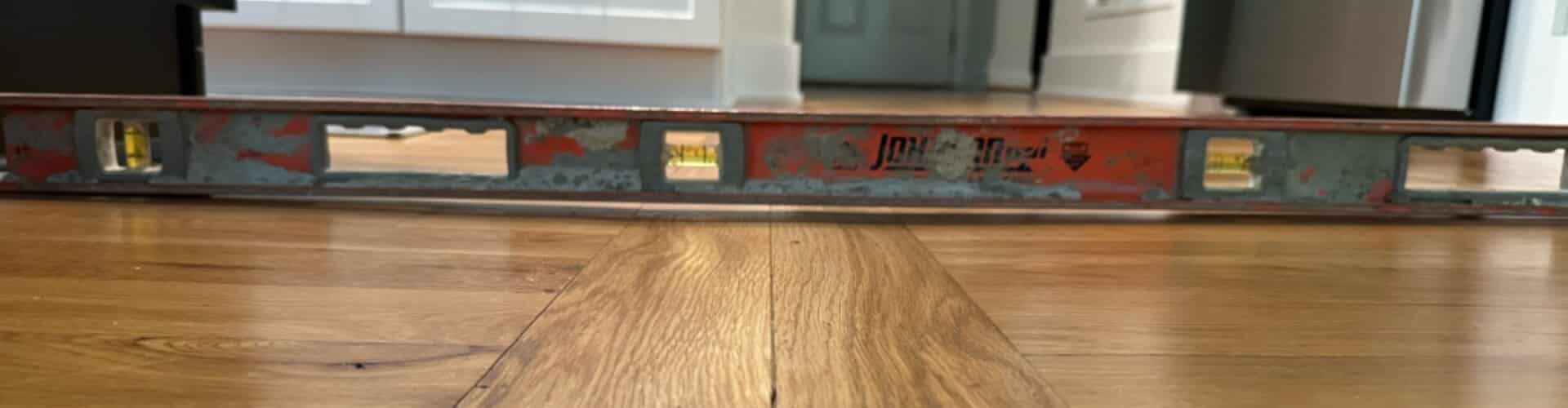

Why is the floor in my room above the crawl space cold in one spot but not others?

If only certain areas of your floor feel cold, the insulation in that part of the crawl space may have shifted or become damaged. This pattern differs from a uniformly cold floor, which points to a whole-crawl-space issue such as air infiltration or uncontrolled temperature. Identifying whether the cold is localized or spread evenly helps determine which repair will actually solve the problem.

Is cold air coming from the crawl space normal?

No, air moving from the crawl space into your living space is not something a properly sealed home should experience. This air movement, known as the stack effect, occurs when warm air escapes from the upper levels of your home and pulls in replacement air from the lowest available point, your crawl space. Feeling this air directly usually indicates gaps or openings that need to be sealed.

How do you fix cold floors above a crawl space?

Fixing cold floors above a crawl space starts with identifying the specific cause and addressing it directly, rather than just adding more heat. Common fixes include replacing missing or damaged insulation, sealing open crawl space vents and access doors, repairing a failed vapor barrier, and encapsulating the crawl space to control moisture and temperature in the long term. Most homes need a combination of these, not just one.

How do you avoid cold floors in winter?

Preventing cold floors in winter means addressing your crawl space before the cold season arrives, not after the discomfort starts. Sealing vents and access points, maintaining functional insulation, and controlling humidity year-round all help reduce the amount of cold air and moisture that reach your floor. A crawl space inspection in the fall is the most reliable way to catch problems before winter makes them worse.

Related Signs

Thank you! Your form has been successfully submitted. You may receive service-related text messages from Lux Foundation Solutions, including appointment updates, reminders, and one-time verification codes if needed. Message frequency may vary. Msg & data rates may apply. Reply HELP for help. Reply STOP to opt out.

Examples of messages you may receive:

Lux Foundation Solutions: Your appointment has been scheduled. You will receive service-related updates as needed.

Lux Foundation Solutions: Reminder — your scheduled service is approaching. Reply STOP to opt out.

Lux Foundation Solutions: Your verification code is 739214. This code expires in 10 minutes.